Why Mauritius is the strategic hinge of the Africa–India corridor
A structural reading of the financial, regulatory and diplomatic conditions that align an island state with continental opportunity.
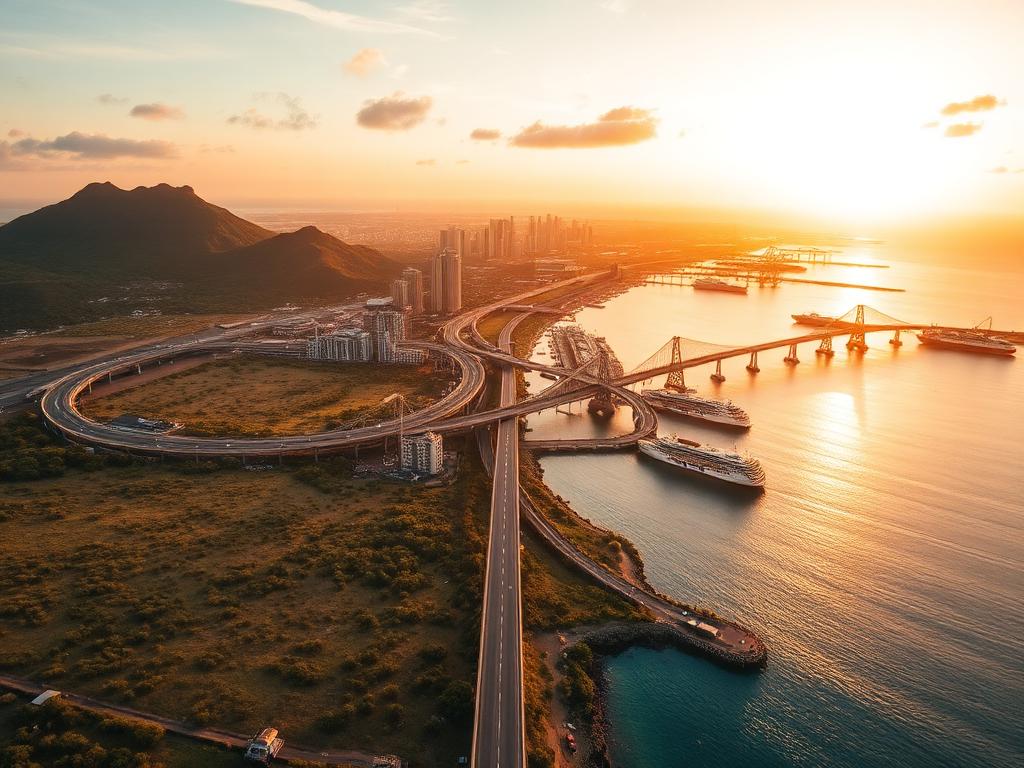
The Geography of Opportunity
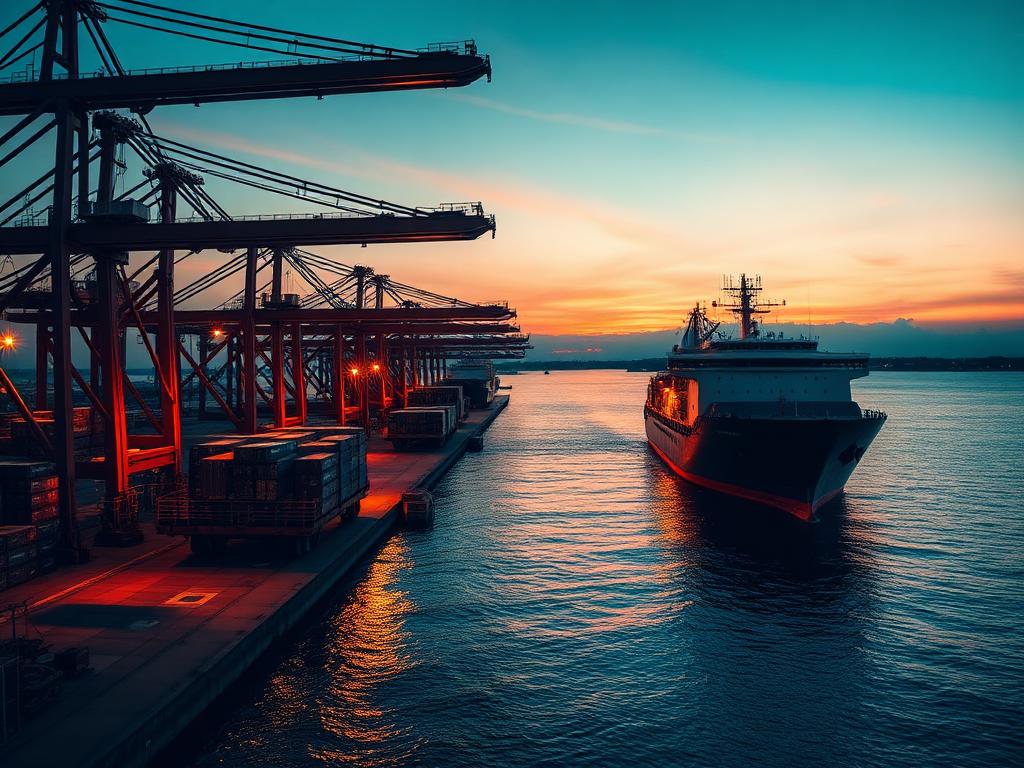
Mauritius sits at a crossroads. To the west lies Africa—a continent awakening economically. To the east lies India—a rising manufacturing and service powerhouse. Between them flows one of the world's busiest shipping lanes. This isn't geography by accident; it's geography by opportunity.
For three centuries, Mauritius was a colonial outpost—strategically positioned but economically dependent. Today, it has transformed into something more: a bridge economy. A place where African raw materials meet Indian processing expertise. Where African markets discover Indian goods. Where capital from around the world finds regulatory frameworks and financial infrastructure to facilitate trade.
Mauritius isn't just a location on a map. It's a strategic hinge that holds the Africa–India corridor together.
The Financial Architecture
Mauritius has built something remarkable: a world-class financial services ecosystem. The country hosts over 4,000 Global Business Companies (GBCs)—entities that facilitate investment flows between Africa, Asia, and Europe.
Tax Treaties: Mauritius has signed Double Taxation Avoidance Agreements (DTAAs) with over 70 nations, including most African countries and India. This framework allows capital to flow without double taxation—a critical advantage.
Regulatory Quality: The Financial Services Commission and Central Bank of Mauritius maintain international standards. Unlike some African nations with regulatory uncertainty, Mauritius offers clarity.
Infrastructure: Modern ports, airports, and digital connectivity. A business started in Mauritius can operate seamlessly across Africa and Asia.
Trust: Perhaps most importantly, Mauritius has built institutional trust. When an Indian company invests through a Mauritian vehicle, it's viewed favorably by African governments and regulators.
This architecture didn't emerge overnight. It took 30+ years of deliberate institutional building. Today, it's a competitive advantage that few African nations can replicate.
The Trade Flow
Africa → Mauritius → Rest of World: Raw materials (minerals, agricultural products) flow from Africa to Mauritius for processing, then to global markets. African cocoa is processed and refined in Mauritius, then exported globally with Mauritian value-addition.
India → Mauritius → Africa: Indian manufactured goods (textiles, electronics, pharmaceuticals) flow to Mauritius as a distribution hub. From Mauritius, goods reach African markets with preferential trade terms. Indian textiles enter Mauritius duty-free under COMESA agreements, then access African markets.
Global Capital → Mauritius → Africa/India: International investment capital flows through Mauritius to fund infrastructure, manufacturing, and services in Africa and India. Mauritius's financial infrastructure enables this flow efficiently.
This isn't just commerce. It's systemic value creation.
The IETO's Role
Institutional Linkages: Connecting Indian business councils with African chambers and government bodies, with Mauritius as the facilitating platform.
Trade Delegations: Organizing structured missions where Indian enterprises meet African partners in Mauritius, reducing friction and building relationships.
Regulatory Navigation: Understanding COMESA, SADC, and bilateral trade agreements—helping stakeholders optimize their use.
Sector-Specific Initiatives: From textile manufacturing to pharmaceutical distribution to IT services, we facilitate sector-specific partnerships.
Why Other Locations Don't Work as Well
Logistics: Shipping from India to most African ports is longer and more expensive than India → Mauritius → Africa.
Regulatory: Most African nations have higher tariff walls with direct Indian imports. COMESA agreements preferentially treat Mauritian imports.
Financial: Most African nations lack Mauritius's financial infrastructure. Capital transactions require intermediaries anyway; Mauritius provides this formally.
Trust: Mauritius's regulatory reputation means African governments accept Mauritian entities more readily than many others.
Scale: Mauritius has already built the ecosystem. Moving this infrastructure to another location would take decades.
The Future Vision
In 10 years, we envision Mauritius as the undisputed center of Africa–India commerce. Not through monopoly, but through excellence: $50+ billion in annual trade flows facilitated through Mauritius; 100+ Indian manufacturing enterprises operating in Mauritius or across Africa via Mauritius; 500+ structured trade delegations annually; Mauritian financial services firms managing $200+ billion in Africa–India capital flows.
This isn't fantasy. It's the natural evolution of economic geography when institutions work correctly. Mauritius isn't just strategic because it's positioned between Africa and India. It's strategic because it has built the infrastructure, institutions, and trust to make that position valuable. That's why the hinge matters.